The Complete Guide to Choosing Reliable Pest Control Services
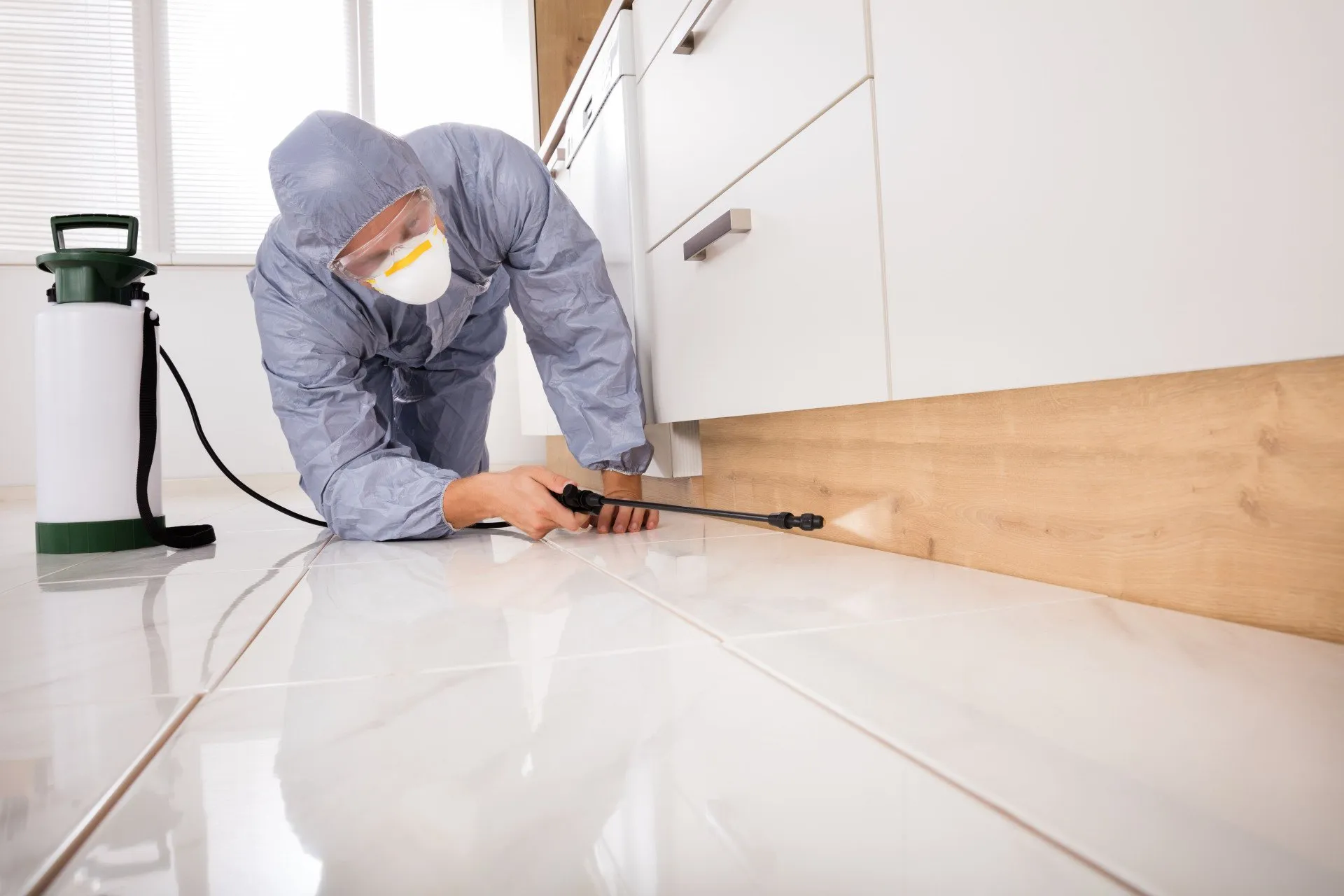
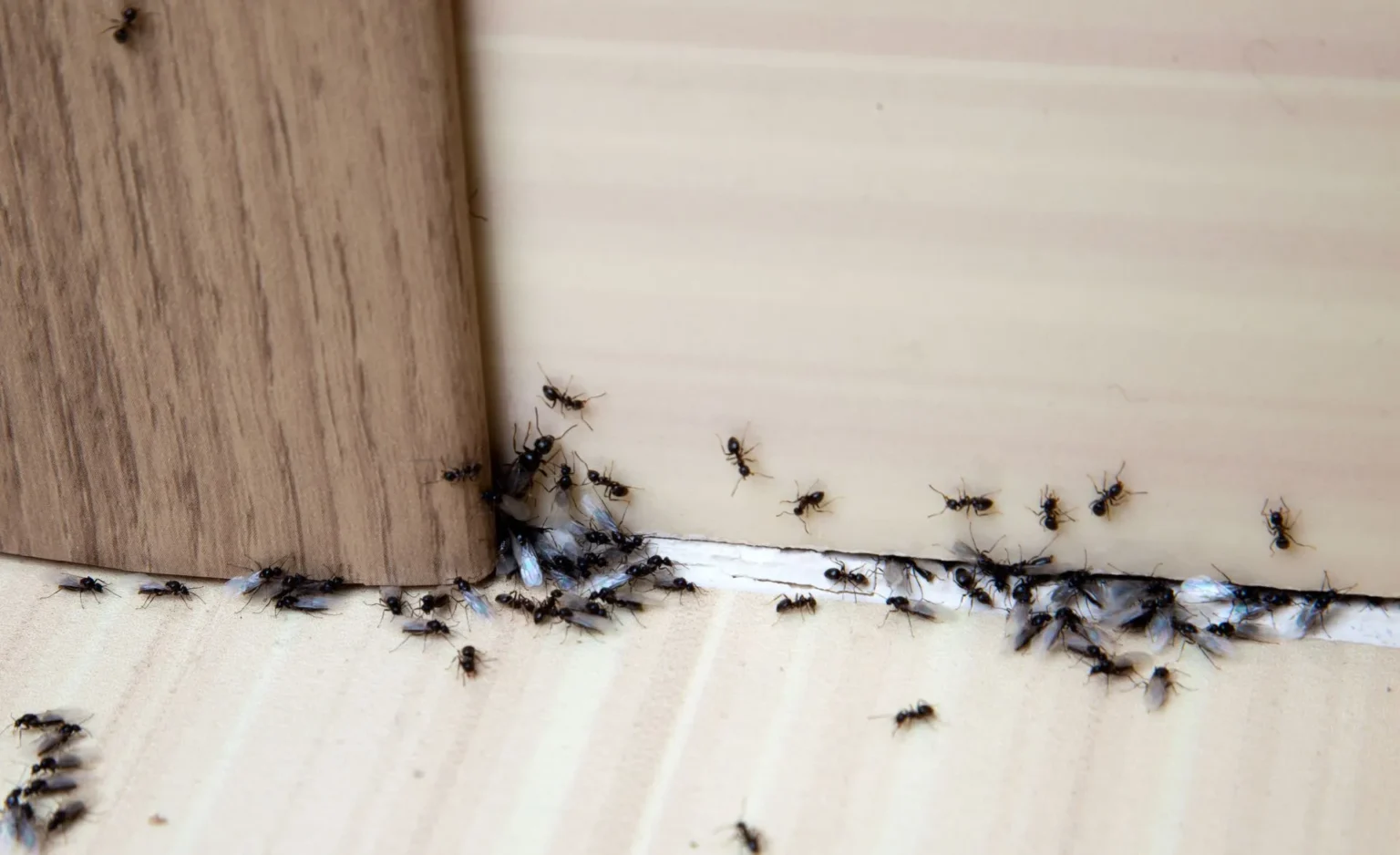

Choosing a pest control company sounds simple until you actually need one. Then the stakes become obvious. A trail of ants in the pantry can turn into recurring infestations. A few droppings in the attic can point to a rodent problem that damages insulation, wiring, and air quality. Termites and carpenter ants can quietly eat through structural wood for months before anyone notices. When the issue affects your home, rental property, restaurant, office, or warehouse, the difference between a reliable provider and a careless one shows up fast.
The market is crowded, and not every company approaches the work with the same level of skill. Some teams inspect carefully, explain the biology of the pest, identify entry points, and build a treatment plan around the property. Others spray quickly, leave a vague invoice, and disappear until the customer calls again. If you are trying to compare Pest Control Services, the challenge is not just finding someone available. It is finding someone competent, honest, and equipped to solve the problem without creating new ones.
A good pest control provider does more than kill visible pests. The best companies diagnose conditions that allow infestations to thrive, such as moisture, clutter, food access, structural gaps, poor sanitation, drainage issues, or landscape contact with the building. They understand seasonality, local pressure, species behavior, and treatment limits. They also communicate clearly, which matters more than many people expect. You should know what they found, what they treated, what to expect next, and where your own maintenance habits fit into the outcome.
What reliable service actually looks like
The first sign of a reliable company is usually restraint. That may sound counterintuitive, but experienced technicians do not rush to promise instant eradication of every pest in one visit. They know some problems resolve quickly, while others require monitoring, follow-up treatments, repairs, sanitation changes, or cooperation from the property owner. Bed bugs, German cockroaches, rodents in complex structures, and persistent moisture-related infestations rarely respond to a one-size-fits-all fix.
Reliable service also starts with identification. I have seen homeowners treat springtails as fleas, carpenter ants as termites, and harmless beetles as signs of severe wood damage. Misidentification wastes time and money. It can also push pests deeper into walls or scatter them into new areas. A sound pest control professional inspects first, asks questions about what you have seen, and looks for evidence instead of guessing from a phone description.
Then there is the treatment philosophy. Strong companies often use an integrated approach. That means they combine inspection, habitat correction, targeted product use, exclusion, monitoring, and follow-up. They do not rely only on broad spraying because that approach often misses the root cause. If mice are entering under a garage door, poison alone is not a complete answer. If roaches are thriving because of leaks under a sink and grease build-up behind appliances, surface spraying will only suppress activity for a short time.
Documentation matters too. You want notes that specify the pest, affected areas, products used when applicable, safety instructions, and recommendations for prevention. Commercial clients especially need this, but homeowners benefit as well. When an issue resurfaces, good records make it easier to tell whether the original problem returned or a new one developed.
Start with the nature of your pest problem
Not every company is equally strong in every category. Some are excellent with general household pests such as ants, spiders, wasps, silverfish, and seasonal invaders. Others have deeper expertise in termites, wildlife removal, or bed bug remediation. If your problem is specialized, choose accordingly.
For example, termite work requires a different level of technical judgment than a routine exterior spray. The technician needs to understand signs of activity, conducive conditions, treatment zones, structural vulnerabilities, and in some cases the limitations of inaccessible construction. Bed bug treatment also demands precision. Companies must inspect sleeping and resting areas carefully, explain preparation realistically, and set proper expectations for repeat visits. Rodent work often reveals the difference between a true professional and a basic service company, because success depends heavily on exclusion details. A provider who can identify a half-inch gap behind utility lines, roof returns, crawlspace vents, or worn door sweeps is far more useful than one who only places traps.
The scope of the property matters as much as the pest. A single-family home with a minor ant issue is different from a multifamily building where pests move between units, or a restaurant where sanitation, public health, and inspection standards all intersect. Warehouses, schools, clinics, and food handling facilities usually need a provider with stronger documentation, scheduled monitoring, and familiarity with compliance concerns.
This is why the first phone call is often revealing. A reliable office will ask what pest you are seeing, where you see it, how long the issue has been active, whether there are children or pets in the space, and whether any prior treatments have been attempted. A weak company may skip all of that and quote a generic service immediately.
The inspection tells you almost everything
If you want one practical rule, it is this: judge the company heavily on the quality of the inspection. A proper inspection should feel investigative, not performative.
A good technician looks where pests live, not only where people notice them. They check attic edges, crawlspaces, utility penetrations, baseboards, under sinks, behind appliances where possible, around window frames, garage corners, exterior foundation lines, mulch beds, drainage areas, and roof intersections if relevant. They ask about water leaks, recent renovations, vacant neighboring units, pet food habits, and travel history when bed bugs are suspected. They pay attention to odor, droppings, frass, grease marks, nesting materials, moisture, and rub points.
The technician should also explain what they are seeing in plain language. If they say, “These are odorous house ants, not carpenter ants,” they should be able to tell you why that matters. If they find termite tubes, they should explain whether they appear active, old, or in need of further evaluation. If they recommend exclusion work, they should point to specific gaps and describe what should be sealed, screened, or repaired.
A rushed inspection is one of the clearest warning signs in the industry. Ten minutes may be enough for a simple recurring perimeter service, but it is not enough to diagnose a persistent infestation in most homes. When a company skips the inspection or reduces it to a quick walk-through before presenting a treatment package, caution is justified.
Licensing, insurance, and training are not formalities
People often treat licensing as a box to check, but it is more meaningful than that. Pest control involves regulated materials, safety procedures, and decisions that affect health, structures, and the environment. Licensing requirements vary by state or locality, yet the broader point remains. You want a company that meets legal standards, carries insurance, and can explain who is actually performing the work.
It is worth asking whether the technician at your property is licensed, registered, or working under supervision according to local rules. Some companies have a licensed operator on paper, while much of the field work is done by poorly trained staff with high turnover. That does not automatically mean bad service, but it raises the importance of direct questions about training, oversight, and experience.
Insurance matters most when something goes wrong. If a treatment damages flooring, contaminates a fish tank, causes a staining issue, or a technician gets injured on site, you do not want to discover gaps after the fact. Reputable firms can confirm their coverage without acting irritated by the question.
Training is harder to verify, but you can often hear it in the technician’s explanations. Experienced professionals know pest life cycles, nesting habits, and treatment timing. They also know when not to overpromise. Someone who claims every issue can be solved in one visit with the same routine may not have enough field depth.
Pricing, contracts, and the fine print
People naturally compare quotes, but the cheapest number is often the least useful number. Pest control pricing can vary for valid reasons. The type of pest, severity, size of structure, accessibility, local regulations, warranty terms, and number of follow-up visits all affect cost. A provider quoting far below the rest may be omitting parts of the process that matter, such as inspection time, exclusion recommendations, bait station monitoring, warranty service, or retreatments.
A better comparison looks at what is included. Is the fee for one visit or a program? Does it include interior and exterior service? Are follow-ups included within a set period? Does termite work come with an annual renewal? Are rodent trapping and sealing priced separately? Will bed bug work require repeated visits at extra cost? The details matter more than the headline number.
Long-term service plans deserve careful attention. Many homeowners benefit from ongoing preventive service, especially in regions with heavy ant, roach, mosquito, spider, or rodent pressure. But the agreement should be understandable. Some companies offer month-to-month plans that are flexible and fair. Others use aggressive annual contracts with cancellation penalties or vague retreat terms. Neither a long-term plan nor a one-time service is inherently better. It depends on the property and the pest pressure. A home backing to woods, with mature landscaping and a crawlspace, may genuinely benefit from year-round service. A one-off cluster of paper wasps under an eave may not.
Watch for language that sounds protective but says little. A “guarantee” can mean many things. It may cover retreatment only. It may exclude sanitation-related pests, inaccessible areas, neighboring-unit reinfestation, wildlife, or structural repairs. A guarantee is useful only when you understand its limits.
Questions worth asking before you hire
Use these questions to separate polished sales talk from practical competence:
- What pest do you believe this is, and what evidence supports that?
- What conditions on the property are helping the problem continue?
- What treatment method do you recommend, and why is it appropriate here?
- How many visits are typically needed for a case like this?
- What is covered if the pest activity returns within the service period?
Those questions do two jobs at once. They help you gather information, and they force the company to explain its reasoning. That explanation is often more valuable than the exact answer. Clear, patient answers usually signal a company that is comfortable with the work. Evasive or overly scripted responses usually signal the opposite.
Safety should sound specific, not vague
Most people ask whether treatments are “safe,” but that question is too broad to be useful. Safety depends on the product, application method, dose, placement, target pest, ventilation, occupant behavior, and the presence of children, pets, fish, birds, or medical sensitivities. A reliable pest control professional will not answer with a blanket “perfectly safe” line. They will explain where materials are being applied, what precautions are needed, whether reentry time applies, and how to reduce unnecessary exposure.
Targeted crack-and-crevice treatment, bait placements in secured stations, dusting in inaccessible voids, and carefully timed exterior applications all involve different risk profiles. So does mosquito treatment near pollinator habitat. If someone in the home has asthma, chemical sensitivities, or an aquarium, mention it early. A good company will adapt the plan or at least explain constraints honestly.
There is also a practical side to safety that gets overlooked. If a technician tells you to empty cabinets, launder bedding, move furniture, or keep pets away from treated areas for a period, those instructions should be concrete and written down when appropriate. Miscommunication here causes more trouble than most customers realize.
Reviews are useful, but only if you read them well
Online reviews can help, but star ratings alone do not tell you much. A pest issue is emotional, and reviews often reflect that. Look for patterns instead of isolated praise or anger. Repeated comments about technicians arriving late, contracts being confusing, or infestations returning without meaningful follow-up are worth noting. Repeated comments about thorough inspections, clear explanations, and responsive retreatment are valuable too.
Pay special attention to reviews from customers with problems similar to yours. A company with excellent feedback for routine exterior service may still be weak on termites or bed bugs. Commercial property managers often write more detailed reviews than residential customers, and those can reveal a lot about consistency, reporting, and professionalism.
It is also smart to notice how the company responds to criticism. A calm, factual response usually reflects a stable operation. Defensive replies, obvious blame-shifting, or canned answers to every complaint suggest a customer service issue that may surface later.
Red flags that should make you pause
Some warning signs are strong enough to justify walking away:
- The company gives a firm diagnosis and price without asking many questions or inspecting.
- The technician promises total elimination in one visit for a complex pest problem.
- The contract is hard to understand, especially around renewal, cancellation, or retreatment.
- The provider cannot clearly explain what will be applied or where it will be used.
- The service feels sales-driven from the first minute, with pressure to sign immediately.
Most bad experiences begin with one of those signals. Homeowners often ignore them because the company is available quickly or the price seems attractive. Speed and affordability matter, but not at the cost of competence.
Local knowledge is more valuable than people think
Pests are regional. Fire ants, subterranean termites, stink bugs, roof rats, pavement ants, cluster flies, scorpions, mosquitoes, and overwintering invaders all behave differently across climates and seasons. A company with deep local experience understands when pressure spikes, where pests tend to harbor, and how construction style affects treatment.
For example, slab homes present different ant and termite challenges than homes with crawlspaces. Older brick homes can have weep holes, voids, and moisture patterns that newer builds do not. Properties near water, wooded areas, or agricultural land often face different pressures than dense urban sites. Local technicians who have worked your neighborhood for years often know which issues recur and what prevention steps are realistic.
That local knowledge also helps with expectations. In some regions, complete absence of occasional outdoor insects indoors is not a realistic promise, especially during weather swings. The real benchmark is reduction, control, and fast response when activity rises beyond normal levels.
The homeowner’s role in a successful outcome
One reason people become frustrated with Pest Control Services is that they assume the company controls every variable. In reality, many outcomes depend partly on the property owner. Pest control is often a partnership.
If the technician recommends trimming vegetation off the structure, sealing gaps under doors, repairing a dripping hose bib, storing firewood away from the house, improving dumpster management, or reducing clutter in a utility room, those steps are not side notes. They may be central to success. I have seen recurring roach problems where treatment was competent, but sanitation issues kept reintroducing food sources. I have seen rodent work fail because garage doors no longer sealed to the ground. I have seen mosquito complaints continue because standing water remained in planters and clogged gutters.
Reliable companies explain this without turning it into blame. They know occupants are busy and properties are imperfect. Still, if a provider never mentions housekeeping, moisture, access points, or building maintenance, they may be oversimplifying the problem.
Special cases that require extra care
Some situations deserve a more cautious hiring process. Multifamily buildings are one. Pests can move between units, so treating one apartment in isolation may not solve much. A provider needs a building-wide view, cooperation from management, and a process for access and documentation.
Restaurants and food businesses are another. These sites need more than occasional treatment. They need monitoring, sanitation coordination, staff communication, and often regular service intervals with detailed reporting. The cheapest company is rarely the best fit.
If you are buying a home and ordering a wood-destroying organism inspection, clarity matters. These inspections have a defined scope and limitations. They are not the same as a full structural evaluation. Ask what is visible, what is obstructed, and what findings require further review. Too many buyers assume these reports are broader than they are.
Homes with children, elderly occupants, immune concerns, or sensitive pets deserve an especially detailed pre-service conversation. That does not mean treatment is impossible. It means the provider should plan thoughtfully and communicate precisely.
One-time treatment or ongoing protection?
This is one of the most common decisions, and the right answer depends on your risk https://holdencdcr890.theburnward.com/what-to-expect-during-your-first-pest-control-services-visit profile. One-time service can make sense for isolated issues such as a wasp nest, a localized ant trail, or a visible cluster of seasonal invaders. Ongoing service is usually more effective where pest pressure is constant, conditions favor recurrence, or the cost of delay is high.
For many homes, preventive service smooths out the peaks. Instead of reacting after pests establish themselves, the company monitors trends, refreshes protective barriers where appropriate, places or checks devices, and catches changes early. That can be especially useful for rental properties, vacation homes, and commercial sites where small issues become expensive if no one notices them quickly.
Still, recurring service should feel earned. If a company cannot explain why your property benefits from it, or what they actually do on repeat visits, be skeptical. Preventive plans work best when they are specific to the structure and environment, not generic subscriptions.
Making the final decision
By the time you narrow your options, the choice usually comes down to confidence. Did the company identify the pest accurately or at least explain what needs confirmation? Did they inspect carefully? Did they communicate the treatment plan in concrete terms? Did the pricing match the scope? Did they talk honestly about limitations, follow-up, and your role?
That combination matters more than branding, flashy trucks, or a steep discount. Reliable pest control is not just about eliminating what you can see this week. It is about protecting the structure, reducing repeat problems, and giving you a clear plan you can trust.
The best companies leave you with fewer unknowns. You understand what is happening, why it is happening, what comes next, and what success should look like. That is the standard worth paying for.
Affordable Pest Solutions LLC
Phone number: +19732299547
FAQ About Pest Control Services
How much does pest control charge?
For a standard 1,500-square-foot home, professional pest control charges generally average $100 to $300 for an initial visit, with ongoing monthly services running $40 to $75 per visit and one-time emergency exterminations costing $100 to $600, depending heavily on the specific pest and the severity of the infestation.
What is the hardest pest to get rid of?
Bed bugs are widely considered the hardest household pest to get rid of, closely followed by German cockroaches and subterranean termites.
What is included in a pest control service?
A standard pest control service includes a property inspection, targeted treatments, and prevention advice. It typically covers common pests like ants, spiders, and cockroaches, using sprays, baits, or traps.